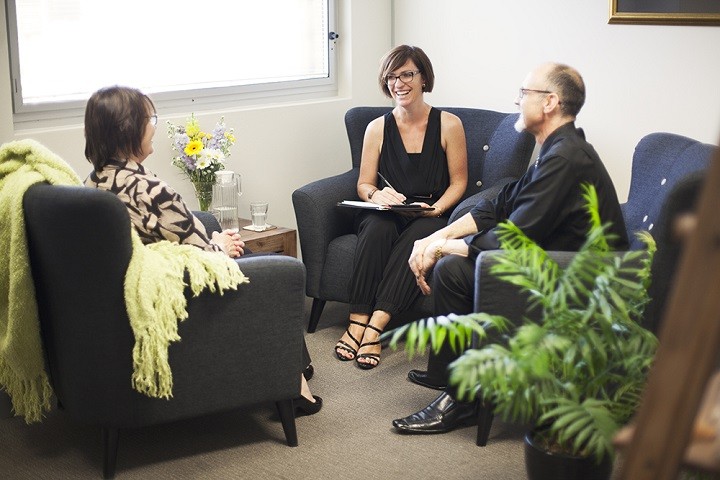
Supporting Your Mental Health Journey at Every Age
Mental health is a crucial aspect of overall well-being, yet it often requires proactive attention at every stage of life. From childhood to older adulthood, understanding and supporting mental health can enhance resilience counsellor brisbane, improve relationships, and foster a sense of fulfillment. Tailoring strategies to each life stage helps individuals navigate challenges effectively and maintain emotional balance.
Childhood and Adolescence
During childhood, mental health support focuses on creating safe, nurturing environments where children can develop emotional awareness and coping skills. Encouraging open communication, recognizing feelings, and fostering strong relationships with caregivers and peers are foundational. Schools and communities also play a vital role by promoting programs that support social-emotional learning and provide early intervention when signs of anxiety, stress, or behavioral concerns arise.
Adolescence brings unique challenges, including identity exploration, academic pressures, and social dynamics. Encouraging healthy coping mechanisms, promoting self-esteem, and providing guidance in managing stress are essential. Adolescents benefit from mentors, counselors, and supportive peer networks that validate their experiences while offering constructive guidance.
Young and Middle Adulthood
In young adulthood, individuals often face transitions such as higher education, career development, and forming long-term relationships. These changes can bring stress, self-doubt, and feelings of uncertainty. Establishing routines that include physical activity, mindfulness, and social connection supports mental well-being. Accessing counseling or therapy when needed can provide tools to manage stress, navigate career challenges, and build resilience.
Middle adulthood often involves balancing work, family responsibilities, and personal aspirations. Burnout, caregiving stress, and midlife transitions may impact mental health. Prioritizing self-care, maintaining meaningful social connections, and setting realistic boundaries can reduce stress. Regular check-ins with mental health professionals can help address anxiety, depression, or other concerns before they become more severe.
Older Adulthood
In later life, mental health support focuses on maintaining cognitive function, combating social isolation, and adjusting to life changes such as retirement or the loss of loved ones. Staying socially active, engaging in intellectually stimulating activities, and practicing mindfulness can improve mood and overall well-being. Access to counseling or support groups can offer guidance and connection, helping individuals navigate emotional challenges with dignity and resilience.
Conclusion
Supporting mental health is a lifelong journey that evolves with age. By understanding the unique challenges of each life stage and implementing strategies tailored to individual needs, individuals can foster resilience, enhance emotional well-being, and lead more fulfilling lives. Prioritizing mental health is not just a response to challenges—it is an investment in lifelong well-being.



One Comment
pftqjdqyyj
zvrzdxxreezeyxztedhnymmqvxmimy